
Feedback is a technology that continues to evolve, revolving around the creation of new gadgets. There’s an anticipation that the headsets we’re accustomed to will soon be listening to us, monitoring heart rate, pulse, respiration, and even brainwaves. Biofeedback serves as a tool for self-regulation, akin to a training device for the brain. With a history spanning over 50 years, biofeedback initially emerged from a quest to measure intelligence without cultural biases. This journey began with a team of engineering doctors in Canada questioning the validity of IQ tests and designing equipment to measure basic components.
Currently, I’m undergoing therapy at Carlos Albizu University in Mayagüez, delving into biofeedback as a means to enhance my work abilities and writing skills. My sessions, led by future psychologist Khiara Acosta, involve wearing sensors on my head and ears to measure brainwave activity. The software generates abstract patterns on a screen, accompanied by a bar indicating my level of presence. The goal is to remain focused and centered in the present moment, with the bar turning green or blue to signify success.
Each session lasts approximately 46 minutes, during which I engage with the training process, striving to improve my ability to maintain focus and presence. The key to success lies in consistent repetition, akin to training at a gym. While one session may not yield immediate results, regular practice is essential for rewiring the brain and achieving tangible benefits.
Overall, biofeedback offers a unique opportunity for communication between the body, the machine, and the individual, providing invaluable insights into one’s ability to regulate and control physiological processes. Through continued exploration and practice, biofeedback has the potential to revolutionize how we understand and interact with our own bodies and minds.
According to ChatGPT, the history of neurofeedback or biofeedback began with psychologist Elmer Green around 1969. However, in my view, the story began approximately 20 years earlier, with psychologist John Erty and electronic engineer Bernard Elliott.
While they may not be as widely recognized as Elmer Green and the Menninger Foundation, they are the true pioneers who first conceived the idea of using electronic devices to measure and provide biofeedback. Their work focused on establishing communication between the body’s biofeedback and external feedback within the brain. To me, they are the precursors, the genuine innovators of this technology, or at least the pioneers who were striving to create an unbiased IQ test.
I’d like to conclude this post with three key points. First, while Neurofeedback and Biofeedback are closely related, they are not identical. Both can help you progress from your current state to where you want to be, whether you’re neurodivergent, an athlete, or a high performer. Neurofeedback, in particular, offers a unique opportunity to self-retrain your brain in ways that other techniques cannot match.
Secondly, my personal journey led me to explore various solutions for managing my ADHD. After relying on medications like methadate CD and Concerta for years, a significant life event prompted me to reassess my approach. It was then that I discovered I was on the autism spectrum, in addition to being ADHD, dyslexic, dysgraphic, and dyscalculic. This realization propelled me towards seeking alternatives to medication, ultimately leading me to neurofeedback and biofeedback.
Two significant influences drove me towards neurofeedback and biofeedback. The first was a YouTube tech talk featuring a school in China where neurofeedback had transformed the lives of children with low IQs, enabling them to excel in math, communication, and social interaction.
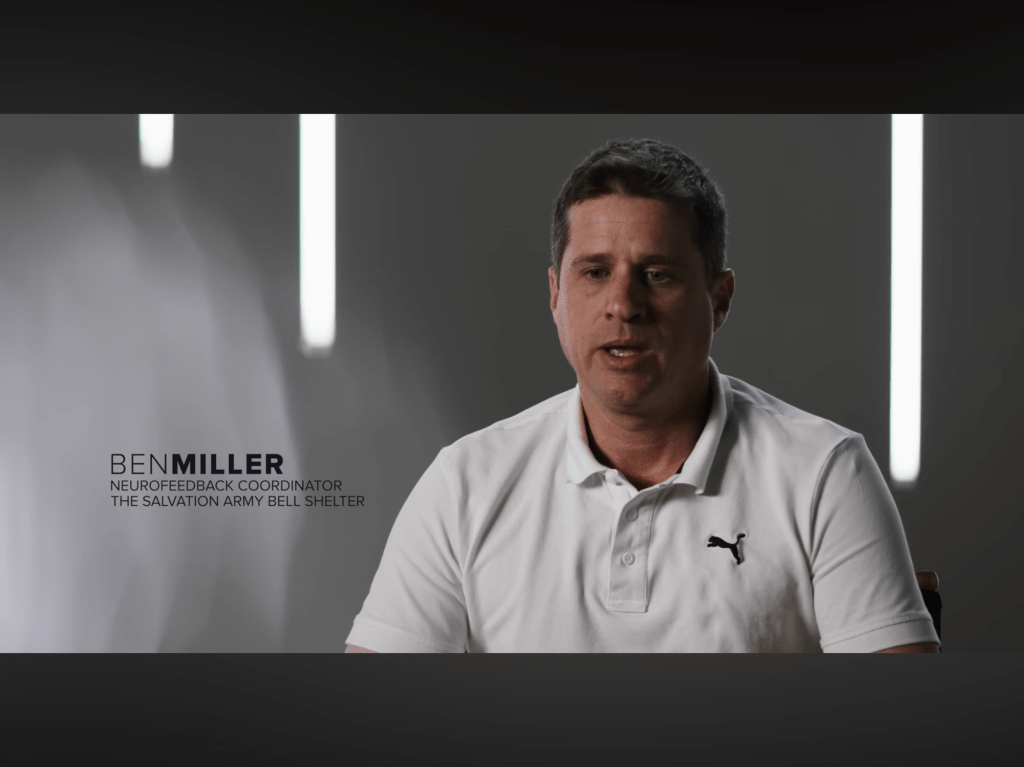
The second was a YouTube video about the Salvation Army, showcasing stories of hope and transformation. I invite you to explore these resources with me, as they demonstrate the potential for positive change through neurofeedback and biofeedback.
Finally, I pose a question: How would you like to be remembered? I believe we all have the power to contribute to solutions, both in our personal lives and in society as a whole. I invite you to join me on this journey of self-discovery and creation, as we work towards creating the lives we desire for ourselves and our loved ones, while also making meaningful contributions to the world around us. I hope this post resonates with you and adds value to your life. Thank you for joining me on this journey.

 Hansell el hermano de Gretel!