
I am a Neurodivergent, the hardware of my brain is @typical, therefore the way I perceive reality is also atypical, my thoughts, my believes, my actions.
My expectations had been shaped and reshape based on the beauty, the greatness and the dysfunctionality of my brain.
“Today, I will speak to you about dyslexia. Recently, I wrote ‘Understanding the Divergent,’ a short introduction to my life and the topic of neurodiversity. Today, I understand that I am part of the autistic spectrum, but for many years, I used to believe that I only had ADHD and “las primas dislexia, disgrafía y discalculia.” Dyslexia was the first diagnosis that became part of my life when I was just 18 years old. At the time, I was working for a casino on this beautiful island I call home. After experiencing a month of trouble with my cashier responsibilities at the slot machines, probably avoiding being fired, the casino manager asked me: ‘Are you dyslexic?’ to which I replied: ‘No, I am not! What is it?’ And thus began my journey. In the next few months, I discovered that, yes, I have dyslexia.”
But what is dyslexia?
Dyslexia is a neurodevelopmental disorder that affects reading and writing abilities. Dyslexic individuals, like myself, have difficulties with phonological processing, which involves understanding and manipulating the sounds or phonological processing in language. This includes recognizing the symbols that represent the sounds.
When I was just a kid it was believed that Dyslexia was only related to the visual recognition of the symbols, but today researchers have found evidence that is related to sound recognition.
Based on neuroscience, dyslexia is considered a genetic disorder. It is believed that the gene DCDC2 (Doublecortin Domain Containing 2) is highly involved in the underdevelopment of the brain. Other genes, such as KIAA0319 and DYX1C1, may also be related.
In order for us to understand dyslexia, we need to take a quick look at how humans read. Reading is a relatively new concept for brain development. Writing and reading likely started 7 to 12,000 years ago, making reading a relatively new invention for the human brain. For this reason, the brain has to borrow different components to create the ability to read. It’s important to realize that “language is acquired” and “reading is learned.”
Dr. Guinevere Eden, Director of the Center for the Study of Learning at Georgetown University, explains that “we usually are unaware of how complicated language is.” There are three main areas of the brain involved in language (including writing and reading). The Broca’s area in the inferior frontal gyrus is where articulation and word analysis happen. In the parieto-temporal area, the magic of word analysis happens, and in the occipito-temporal area, words are formed. These areas of the brain are mainly designated for picture recognition, but when we start to develop the ability, the brain hijacks these areas for this purpose.
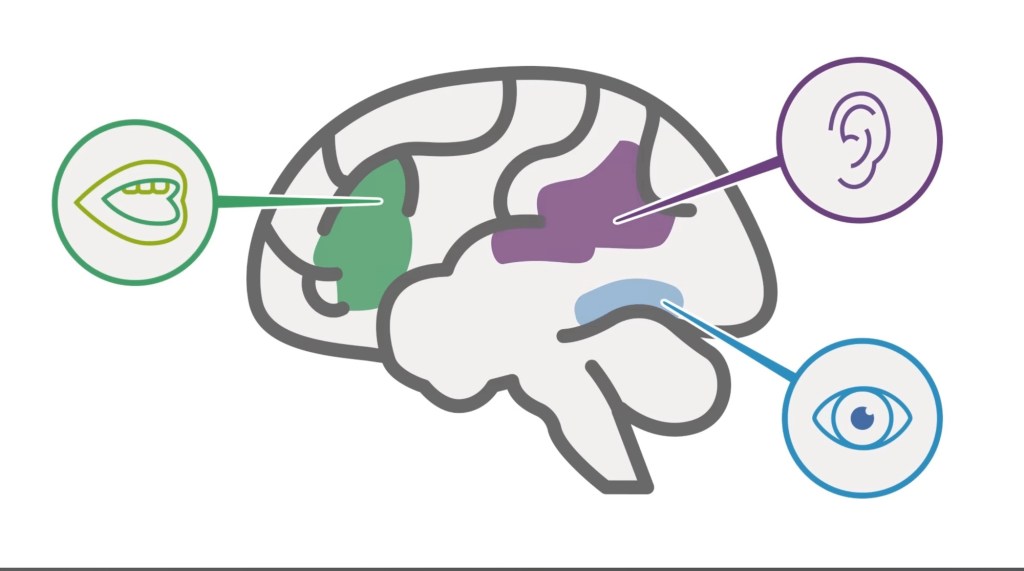
“Neuroscientist Dr. Sally Shaywitz, co-director of the Yale Dyslexia and Creativity Center and author of ‘Overcoming Dyslexia,’ said, ‘I could hardly believe it when I saw my book translated into Mandarin, Japanese, and Korean. These languages use pictograms and ideograms, symbols that do not represent sounds but rather convey ideas without sound. Dyslexia is universal; it can affect anyone, anywhere, at any time on our planet.”
On the other hand, as we move forward in understanding dyslexia, I can share with you the shame and struggle I experienced in the first 30+ years of my life. “Word blindness,” as many used to call it, has been reexamined with a new perspective and understanding. With the rise of positive psychology, learning disabilities have been reexamined with new vision and powerful tools. Today, we have found evidence of the rise and realization of the hidden strengths that accompany dyslexic individuals, enabling them to thrive, flourish, and outperform typical readers.
High-Level Reasoning and Visual-spatial Abilities:
Research has demonstrated that individuals with dyslexia have particularly high-level reasoning, consisting of superior mental reasoning, interconnected reasoning, narrative reasoning, and dynamic reasoning.
Memory and Problem Solving:
Individuals with dyslexia have certain superior cognitive abilities that outperform typically developing individuals in recognition memory tasks.
Creativity:
Upon closer inspection, there is much overlap between the strengths and positives that accompany dyslexia. Researchers have proposed that while some dyslexics show poor reading and verbal memory abilities, they outperform typically developing individuals in visual memory and creativity.
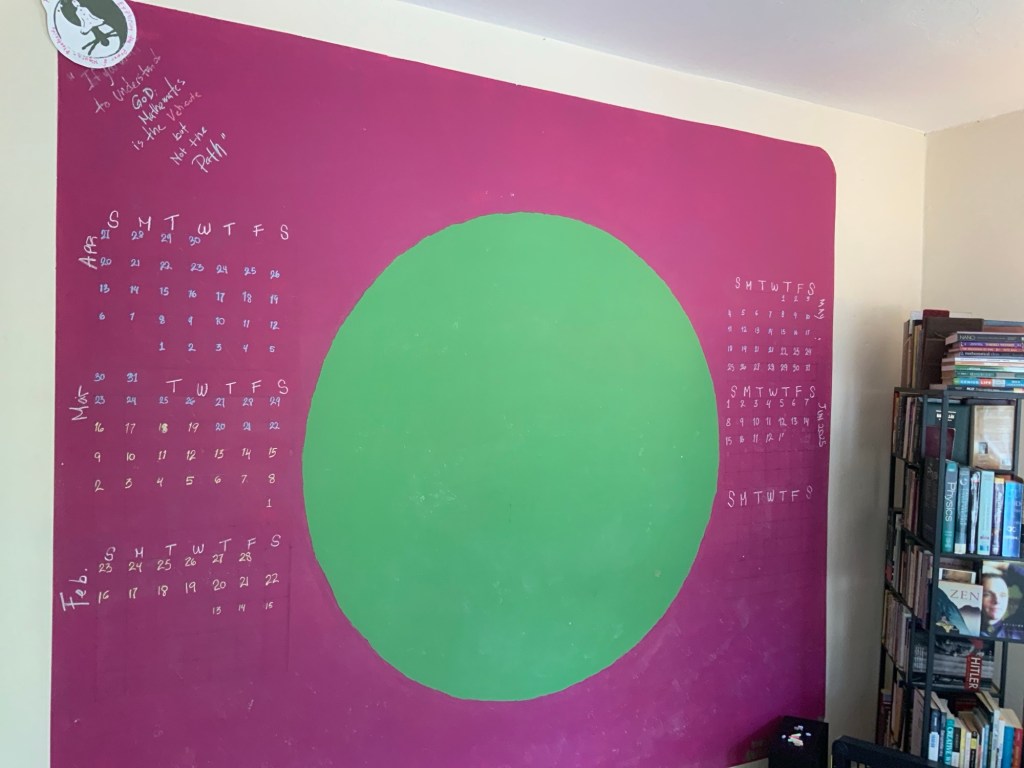
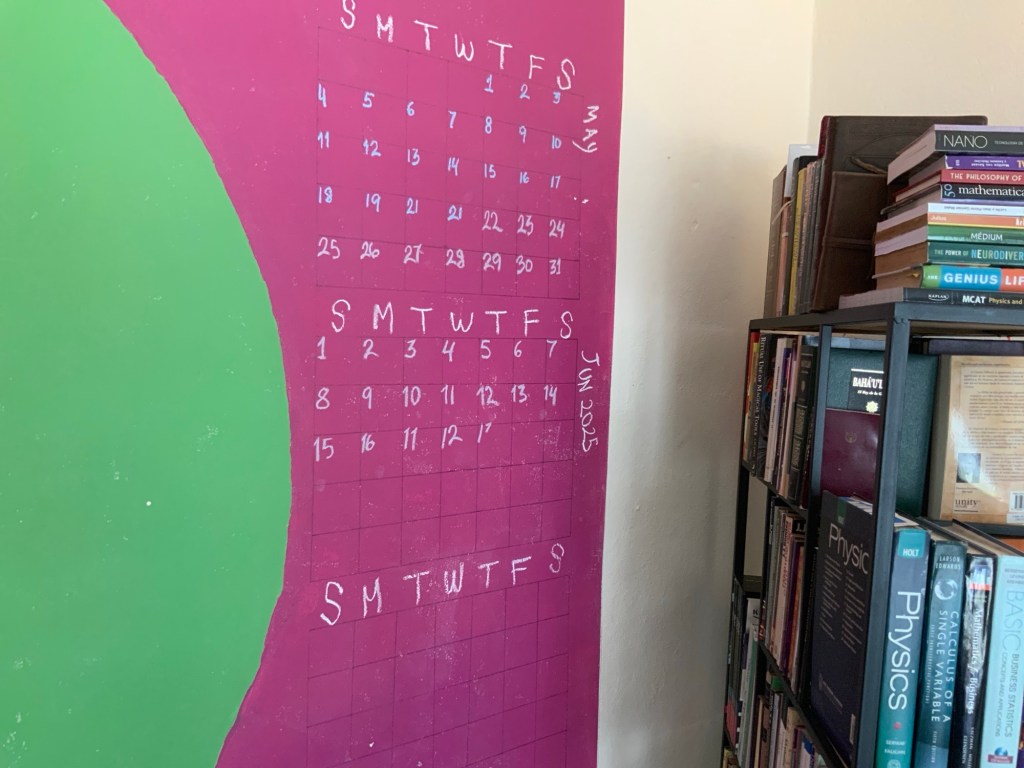
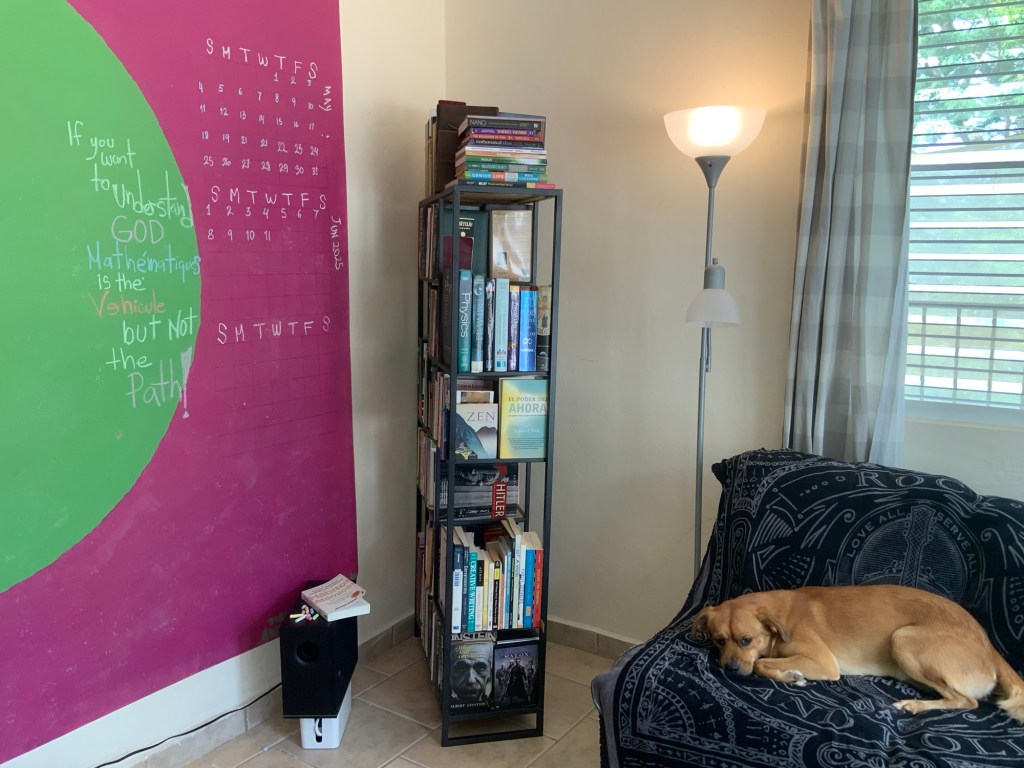
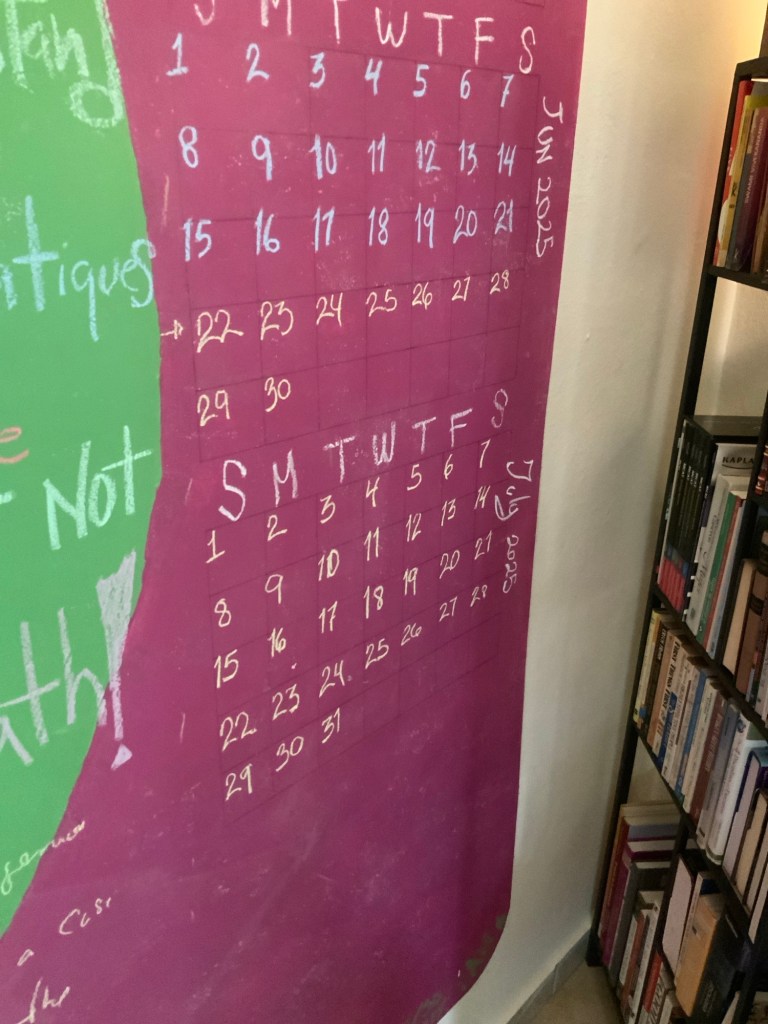
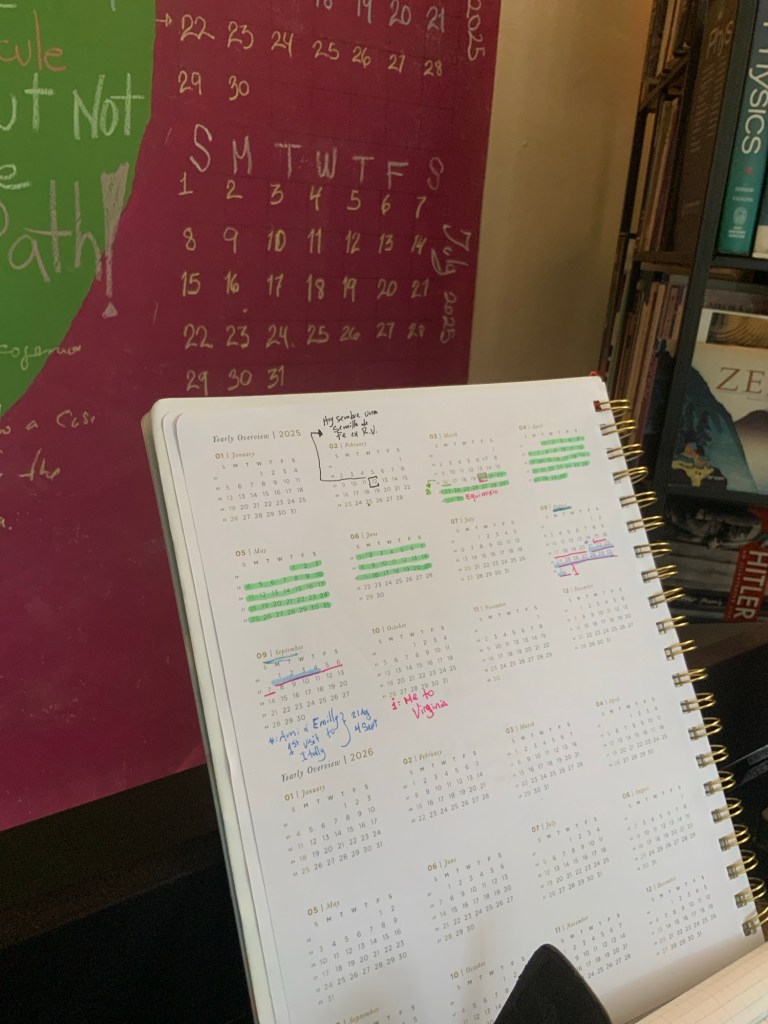
today I just found that my wall note pat had a mistake, I am about to correct it… but this is what dyslexia is all about.
I used to be angry at me for mistakes like this but in some point I did learn to love 💕 myself as AM I!
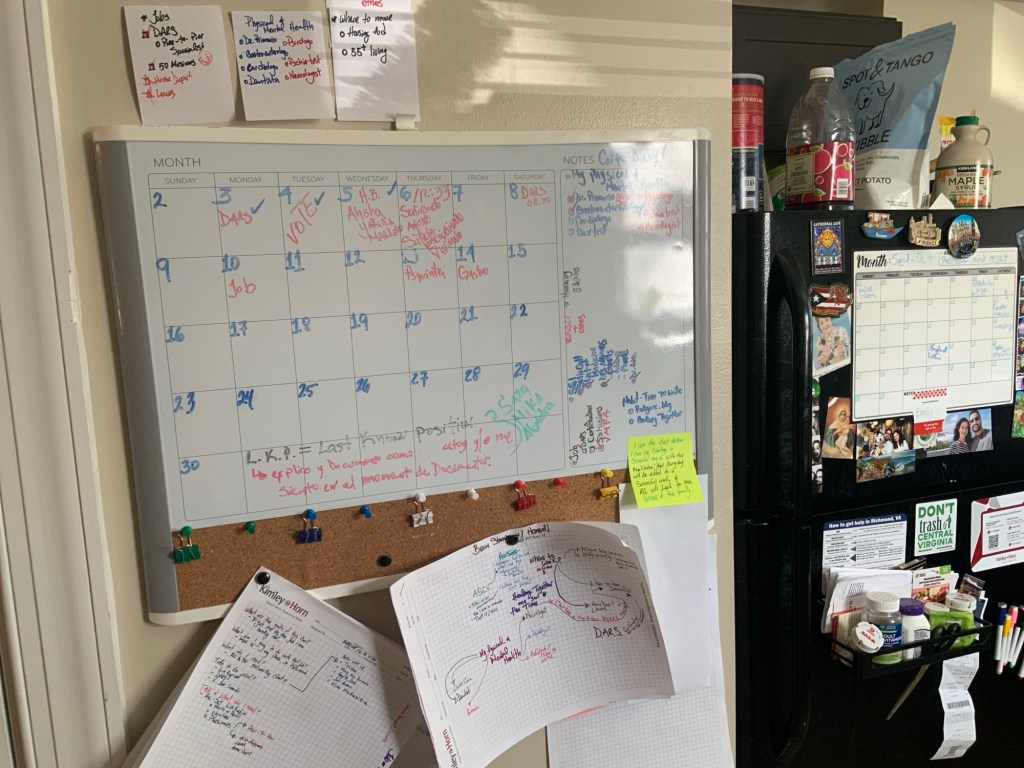

 Hansell el hermano de Gretel!